How can Insights Discovery's colour personality framework help retirees rediscover purpose, build connections, and navigate the transition into their Third Age?
A £multimillion psychometric tool. But only for the office.
Insights Discovery is one of the world's leading personality assessment tools, used by organisations from Stripe to NHS. Based on Carl Jung's psychology, it maps people into four colour energies. But its reach stops at the workplace door — what if we could bring it into communities where it's needed most?
Brief
Expanding beyond corporate training
Partnering with Insights Discovery to explore how their colour personality methodology could expand into the growing market of active ageing and retirement transitions.
Context
An ageing population without tools for transition
Scotland's 65+ population is growing 3–4% annually. Retirees face identity loss, social isolation, and declining health perception 5–10 years before pension age. Communities need new tools for connection.
Question
Can a personality framework do social-prescribing work?
How might psychometric tools help older adults during retirement transition explore new lifestyles, identities, and a renewed sense of purpose?
Approach
Eight weeks embedded in the community
Ethnographic research across 3 Glasgow community organisations, in-depth interviews, expert consultations, and iterative workshop design with 23+ participants.
3
Community Orgs
23+
Participants
8
Weeks Fieldwork
4
Colour Energies
Stakeholder Value
Who benefits and how
Colorful Time is designed as a B2B2C service — delivered through community organisations to the people who need it most. Every layer of the ecosystem gains something concrete.
Elder People (55–75)
Primary beneficiary
Retirement strips away the professional identity that structured daily life. Colorful Time offers a new lens — not a job title, but a colour that describes how you move through the world. A positive self-label, an opener with strangers, and a low-pressure invitation to try something new.
Insights Discovery
Commercial partner
A £multimillion tool used by Stripe and NHS — but reaching only the corporate market. Colorful Time opens a credible B2B2C pathway into active ageing: community centres, U3A chapters, social prescribing networks. New market, no cannibalisation of existing business.
NHS & Public Policy
Systemic value
Older-adult isolation is a public health risk equivalent to smoking 15 cigarettes a day. Colorful Time gives social prescribing a structured intervention — a tool link workers and GPs can refer patients to, generating engagement data that funders and policy teams can report against.
Community Organisations
Delivery partners
Centres like Wing Hong and Garnethill already run activities — but facilitators struggle to help new members connect quickly. The toolkit (cards, facilitator guide, materials) is ready-to-run; the colour framework does the heavy lifting, no psychology training required.
Research
Embedded in the community
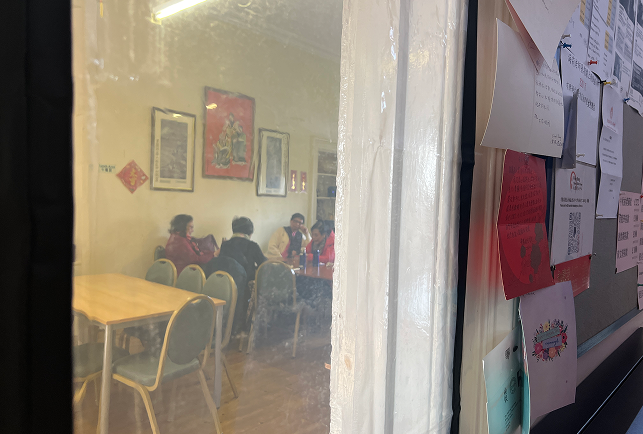
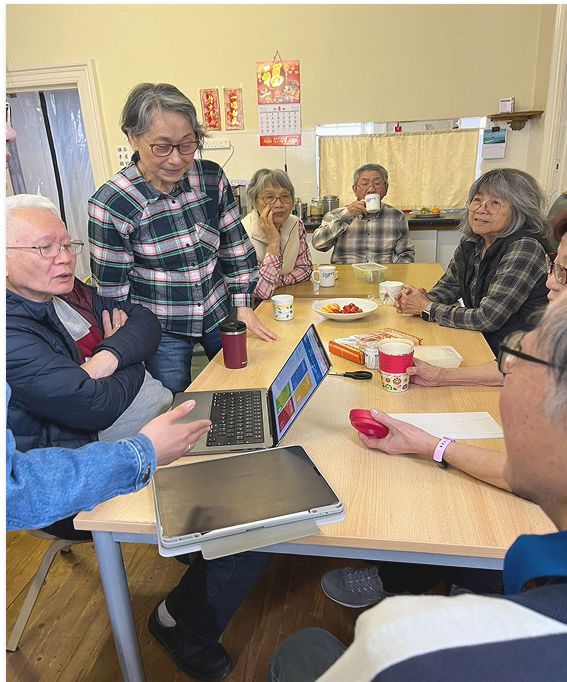
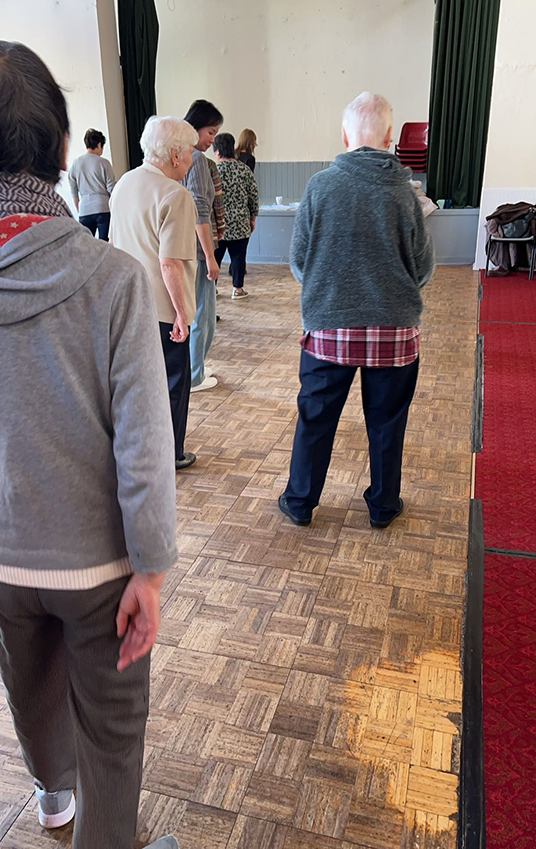
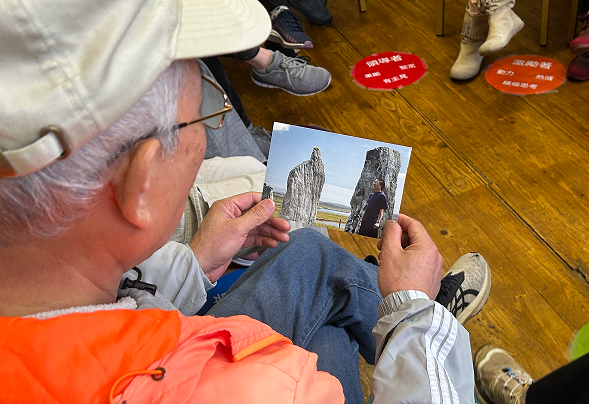
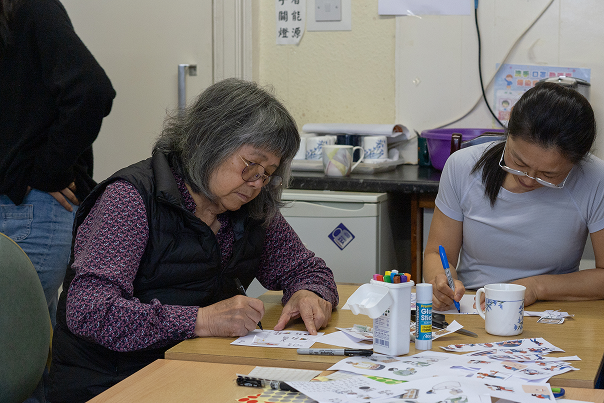
Eight weeks of fieldwork across Glasgow's multicultural centres, retirement communities, and the University of the Third Age — combining ethnography, interviews, expert consultation, and iterative workshop testing.
Ethnography · Wing Hong & Garnethill
Interviews · multi-stage retirees
Case study · U3A "youth club"
Workshop · iterative testing
Key Findings
What we discovered
Four insights that shaped Colorful Time — directly from 23+ participants across three community organisations.
Insight 01
Colours as an ice-breaker
Psychometric tools aren't the destination — they're the catalyst. Colour personalities gave retirees a safe, playful way to open up and connect.
Insight 02
Socialising is survival
Social connection is the single most important factor in healthy ageing. Yet community centres offer limited activity types.
Insight 03
Imagination needs stimulating
Most retirees described a "regular and simple" lifestyle. Given the right prompts, they became animated about new possibilities.
Insight 04
Don't call them "old"
Participants strongly resisted being labelled "elderly." U3A members called themselves "a youth club." Language matters.
From the Field
In their own words
"
Attending a playful workshop instead of a traditional lecture feels quite enjoyable.
Workshop Participant
"
I really enjoy cycling and would love to have someone join me.
Retiree, 4 years post-retirement
"
We think of ourselves as a youth club for retired people — more energetic people, they gather together and exchange skills.
U3A Coordinator
"
Every time I come here, I need to take two buses, spending two hours to attend the activity.
Wing Hong Member
The Concept
Colorful Time
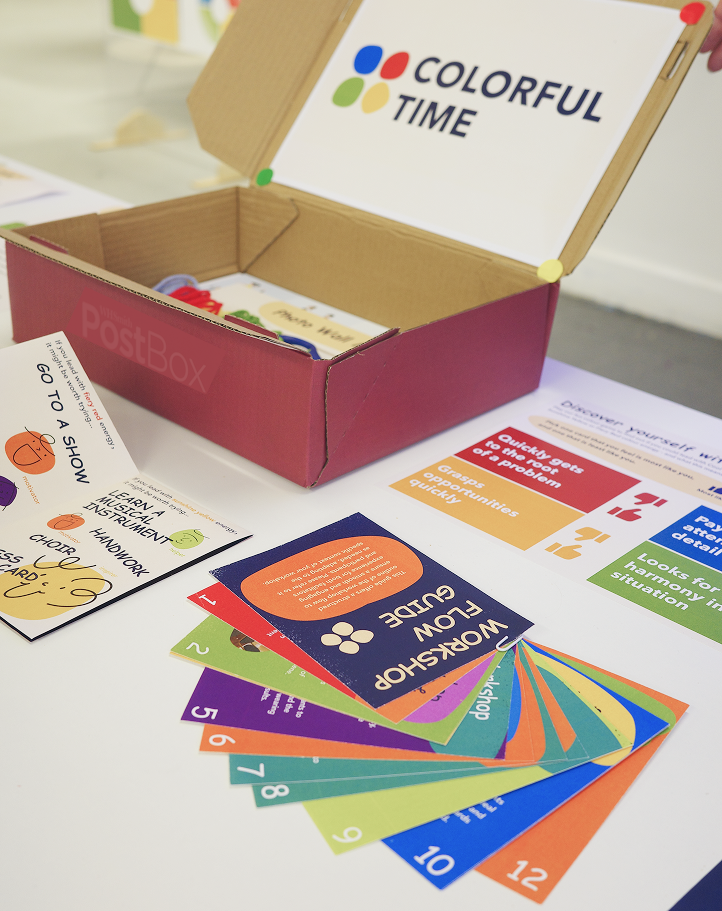
A workshop toolkit that uses colour personality theory to help retirees explore self-discovery, understand others, and imagine new possibilities for their Third Age.
Toolkit
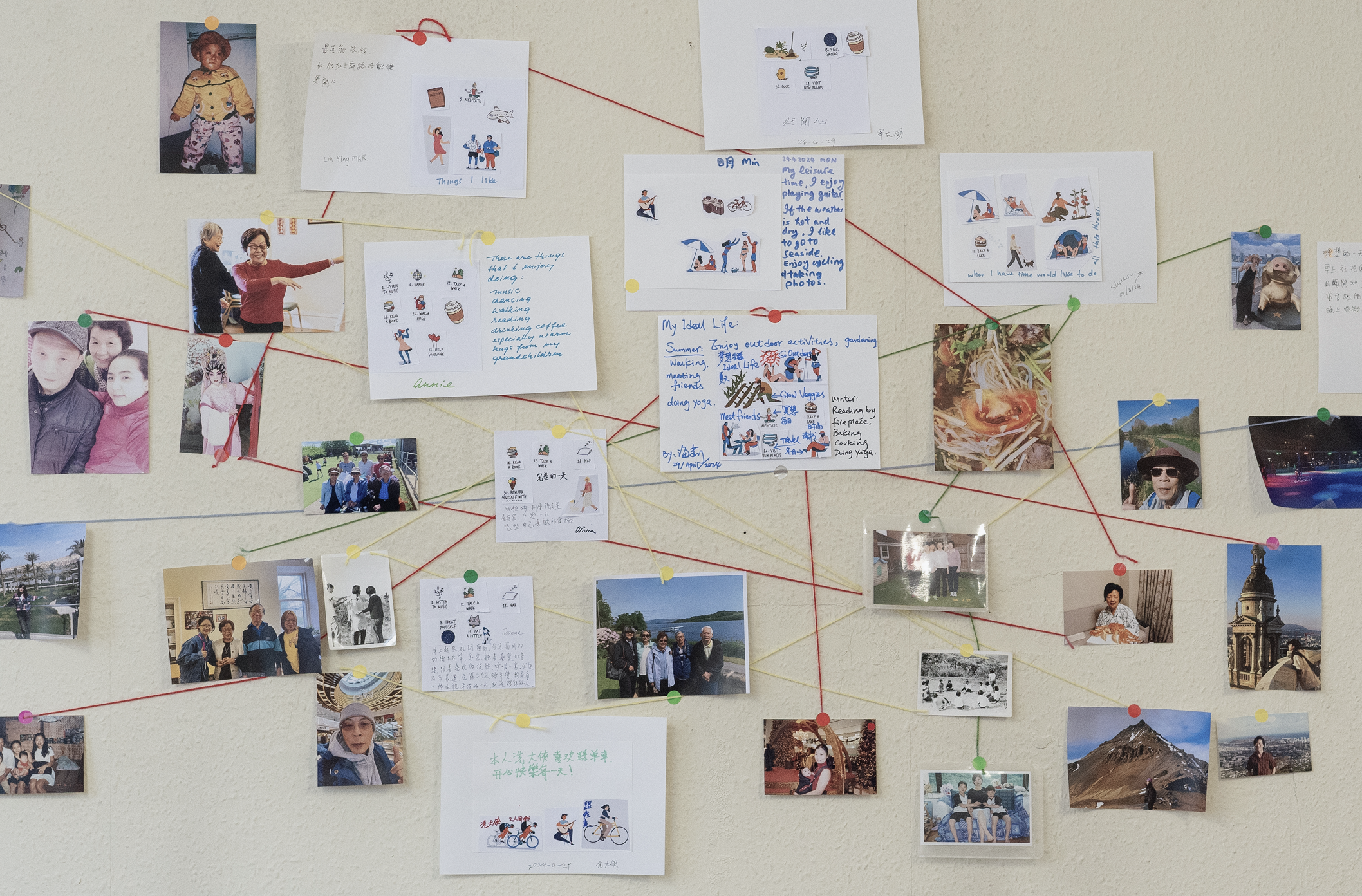
Colour personality cards, photo wall materials, postcard collage kit, and a facilitator's guide.
+
Workshop
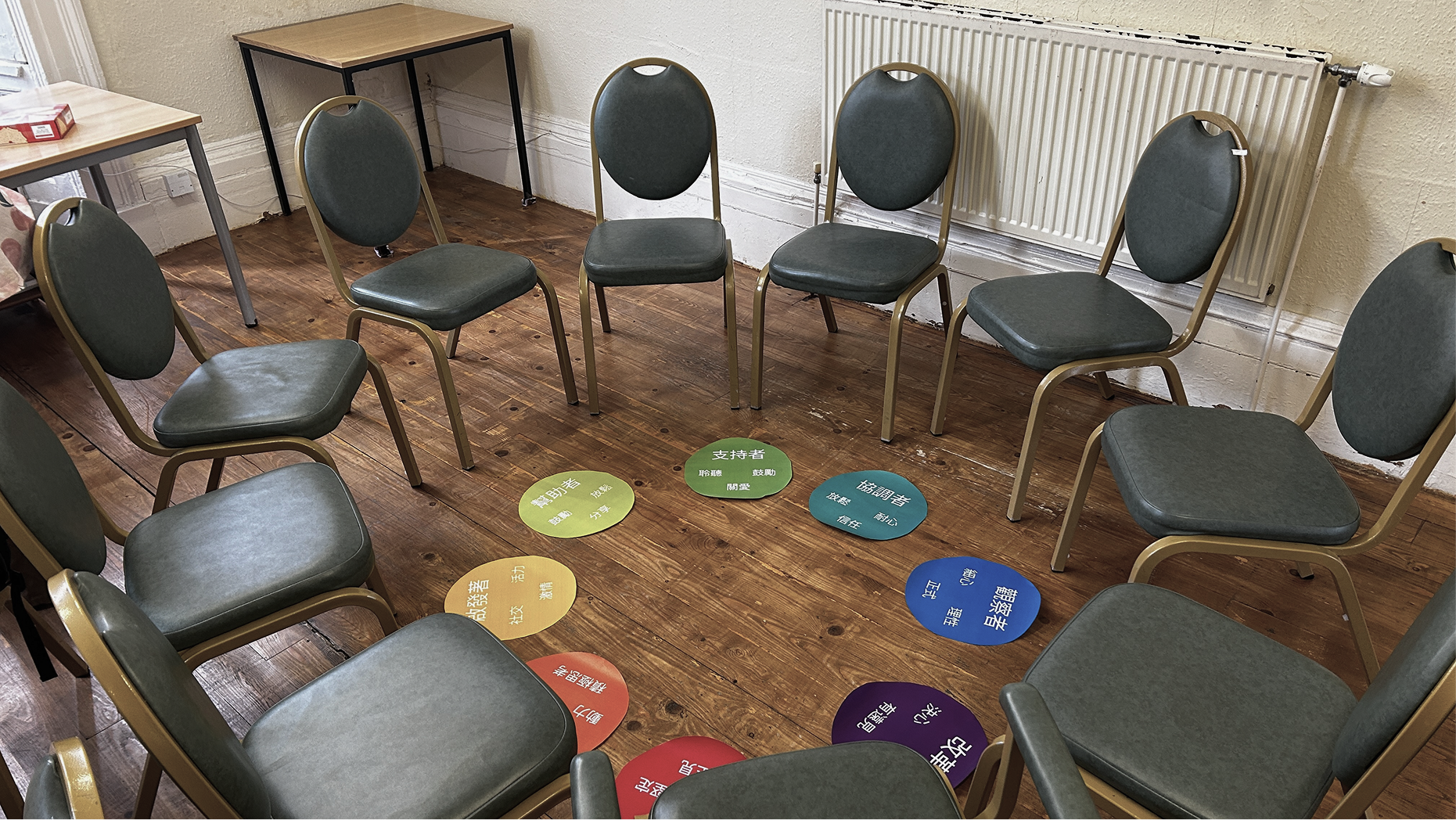
A 90-minute guided experience: colour discovery → photo sharing → collage making → group discussion.
=
Colorful Time
Self-discovery through colour
Digital Extension
Eventbrite, but for who you are
The app extends the workshop into everyday community life. Instead of organising events by category or location alone, it uses colour personality as a social layer — helping retirees see not just what is happening nearby, but who is going and whether their energy will click.
The Design Insight
Why colour — not Myers-Briggs, not 16 personalities
During fieldwork we observed something consistent: older adults respond to vivid, saturated colour with immediate emotional recognition. Four colours — Red, Yellow, Green, Blue — are easy to hold in memory, easy to point at, and easy to say to a stranger across a community hall table.
A 16-type framework requires reading and memorising a code. A colour just is. That difference matters enormously when the goal is spontaneous social connection, not professional profiling.
Instant recognition
Retirees identified their colour within minutes. No manual needed. No acronym to explain.
A social badge, not a test score
When you walk into an activity centre and your name badge has a colour dot, it gives strangers an opening. "Oh, you're Green too — what does that mean for you?" The colour starts the conversation before words do.
The first step of trust
Meeting someone new is hardest in the first 60 seconds. Shared colour energy signals shared values — giving two strangers a reason to believe they might enjoy each other's company before a single word about hobbies is exchanged.
Traditional Event Platform
What: Community Workshop
When: Saturday 2pm
Where: Wing Hong Centre
Price: Free
You know the logistics. But will you enjoy the people there?
Colorful Time
6 going
Best for: Red & Yellow energies
Vibe: Active, social, hands-on
Your match: 92% personality fit
Missing: Blue — you'd be the complement
You know the people. You know you'll fit. That's why you'll go.
Tag
Your colour becomes a visible identity — a badge that says who you are before you've said a word
Filter
See events by personality fit — not just category. Know who's going and whether the energy matches yours
Connect
Colour lowers the barrier to first contact — giving strangers a shared vocabulary before hobbies or history
Click through the full prototype · Includes a playable colour personality test
Test Results
The Colour Personality Wheel
2/3 of participants mapped to Green and Yellow — revealing a strong "feeling" preference among the retiree community.
This finding directly shaped the app's activity recommendation engine: the system weights Green and Yellow activities higher by default for new users, reflecting the community's natural personality distribution.
Positioning
Not therapy. But Connection.
While existing digital therapy tools address individual mental health through private 1-on-1 conversations, Colorful Time tackles a fundamentally different challenge: rebuilding social connections and purpose during the retirement transition — through shared experiences, not isolated reflection.
Digital Therapy Tools (e.g. Ash)
1-on-1 AI conversation
Private, individual, inward-focused
CBT-based treatment
Anxiety, stress, emotional issues
All adults 18+
General population with mental health needs
B2C SaaS subscription
AI is the core product
"I don't feel well" → Help me cope
Colorful Time
Community-based workshop
Social, collective, outward-focused
Jungian colour personality
Self-discovery, connection, purpose
Third Age retirees (55–75)
Retirement transition, cross-cultural
B2B2C toolkit + workshop
Human facilitation is the core product
"I want a more fulfilling life" → Help me connect
Reflection
What I learned, what I'd change
What worked
[PLACEHOLDER — replace with a specific moment.] The colour framework removed barriers we hadn't predicted. Within minutes of receiving their colour, retirees were comparing energies across the table — including across language at Wing Hong, where shared colour replaced shared vocabulary. The visual nature of the framework did more accessibility work than we'd designed for.
What I'd change
[PLACEHOLDER — replace with a specific gap.] The workshop validates the toolkit, but not the digital extension. The app's social-tag mechanic was designed from observation, not tested with the same user base. Before the 12-week pilot, I'd run a low-fi probe — paper event listings with colour stickers — to see whether retirees actually use the colour signal when deciding to attend, or default back to logistics alone.
What's Next
From prototype to pilot
The next phase involves partnering with two Glasgow community centres to run a 12-week pilot programme — measuring social connection, repeat attendance, and self-reported wellbeing before and after the colour-based intervention.